Support for Every Season of Life
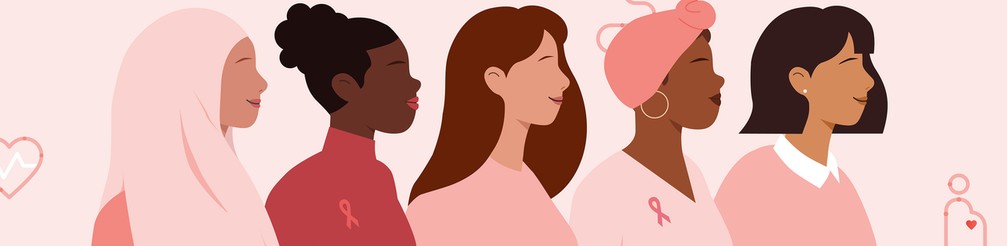
We understand that women move through many seasons of change—physically, emotionally, personally, and professionally. Our women’s health services provide compassionate, personalized support for the unique challenges that can arise along the way. From reproductive and perinatal mental health to relationships, work, body changes, anxiety, depression, and life transitions, we create a supportive space where women can feel heard, understood, and empowered.
What We Can Help With:
Anxiety & overwhelm
Depression & mood changes
Life transitions
Healthy boundaries
Work & relationship challenges
Building confidence and resilience
Personalized Support, Your Way
One-on-One Sessions: Individual therapy or coaching sessions tailored to your unique needs and goals.
Family Sessions: Strengthen communication, connection, and understanding within your family.
Community & Workplace Support: Create healthier, more supportive environments where women can thrive.
Leadership Support for Women:
Build confidence, navigate challenges, and lead with greater clarity and purpose.
Top 5 Mental Health Concerns for Women in America:
1. Depression and mood disorders
Women are diagnosed with depression at roughly twice the rate of men, with particular vulnerability during hormonally sensitive windows: adolescence, the postpartum period, and perimenopause. Persistent depressive disorder and seasonal patterns are also more commonly reported by women.
2. Anxiety disorders
Generalized anxiety, panic disorder, social anxiety, and phobias occur more frequently in women. These often co-occur with depression and can intensify during major life transitions or under chronic stress (e.g., caregiving responsibilities).
3. Trauma and PTSD (including interpersonal violence)
Women experience higher rates of sexual assault and intimate partner violence, which elevates lifetime PTSD risk. Trauma histories often complicate other diagnoses and require trauma-informed approaches to treatment.
4. Perinatal mood and anxiety disorders (PMADs)
This includes prenatal depression/anxiety, postpartum depression, postpartum anxiety, and postpartum psychosis (rare but serious). Up to 1 in 5-7 women experience a perinatal mood disorder, yet it remains widely underdiagnosed.
5. Eating disorders and body image concerns
Anorexia, bulimia, and binge eating disorder disproportionately affect women, particularly during adolescence and young adulthood, though they can persist or emerge later in life. Body dissatisfaction also intersects with anxiety and depression.
Additional concerns worth noting: menopause-related mood changes, caregiver burnout, and higher rates of certain autoimmune/chronic pain conditions that carry mental health comorbidities.
Top 5 Therapeutic Services that help
1. Individual psychotherapy (CBT, DBT, IPT)
Cognitive Behavioral Therapy is well-supported for depression and anxiety; Dialectical Behavior Therapy is effective for emotion regulation, self-harm, and some trauma presentations; Interpersonal Therapy (IPT) has strong evidence specifically for perinatal depression.
2. Trauma-focused therapies (EMDR, Trauma-Focused CBT)
Given the elevated rates of trauma exposure, therapies like Eye Movement Desensitization and Reprocessing (EMDR) and trauma-focused CBT are important, specialized options.
3. Perinatal mental health programs
Specialized services — including PMAD-specific therapy, psychiatric consultation for medication during pregnancy/breastfeeding, and postpartum support groups — address the unique needs of pregnant and postpartum women.
4. Psychiatric/medication management
Collaborative care with a psychiatrist or psychiatric nurse practitioner is often necessary for moderate-to-severe depression, anxiety, or perinatal mood disorders, particularly when therapy alone isn't sufficient.
5. Support groups and peer/community-based support
Group therapy, peer support programs (e.g., for postpartum depression, domestic violence survivors, or grief), and community mental health resources reduce isolation and provide validation, which is especially valuable given how often caregiving roles limit women's access to individual care.
At New Frontiers Behavioral Health we are offer the above services AND more to promote your well-being: Contact Us (401) 601-8995