• 401- 601-8995
  • michelle@newfrontiersBH.com
New Frontiers Behavioral Health New Frontiers Behavioral Health
  • Home
  • About
  • Appointments
  • Services
    • Overview
    • Therapies
      • Cognitive Behavioral Therapy
    • Rates & Insurance
    • Workplace Well-being
    • Wellness Coaching
  • Specialities
    • Our focus
    • Students
    • Women's Health
    • Addiction Counseling
  • Policies
    • Summary
    • Resources
  • Soul At WorkHot
    • Footer

      Copyright © 2026 NewfrontiersBH. All Rights Reserved.
      Joomla! is Free Software released under the GNU General Public License.
  • Contact

College and Graduate Student Mental Health

Support for the challenges of college, graduate school, and

becoming the person you want to be.

Students

College and graduate school can be exciting, but they can also bring significant emotional and psychological challenges. Academic pressure, changing relationships, financial concerns, career uncertainty, perfectionism, and the transition to greater independence can all affect your mental health and overall well-being. At New Frontiers Behavioral Health, we provide compassionate, individualized behavioral health services for college and graduate students in Rhode Island, with both in-person and online therapy sessions available. Our goal is to help students develop the insight, coping skills, confidence, and resilience they need to manage current challenges while creating a stronger foundation for the future.

When School Starts to Feel Overwhelming

You may be doing well academically while privately struggling with anxiety, stress, loneliness, self-doubt, or exhaustion. Or you may feel that your mental health is beginning to interfere with school, relationships, sleep, motivation, or your ability to enjoy life. Therapy can provide a confidential space to step back, understand what is happening, and develop strategies that work for you. We work with students experiencing concerns including:

Anxiety, stress, and overwhelm:  excessive worry, academic pressure, burnout, and difficulty managing competing demands.

Depression and low motivation:  persistent sadness, withdrawal, loss of interest, low energy, or difficulty getting started.

Self-esteem, perfectionism, and confidence:  self-doubt, fear of failure, imposter syndrome, comparison, and feeling that you are never doing enough.

Academic and graduate school challenges:  performance pressure, thesis or dissertation stress, research demands, career uncertainty, and work-life balance.

Relationships and adjustment:  loneliness, friendship and relationship concerns, family expectations, boundaries, and adjusting to greater independence.

Life transitions and personal growth:  navigating identity, major decisions, changing priorities, and the transition from school into professional life.

Therapy and Coaching Services for College Students:

College is often the first time young adults are navigating major decisions with greater independence. Managing classes, friendships, relationships, finances, family expectations, and future plans can feel like a lot at once.  We have individual therapy as well as coaching services for Career Planning and Personal Growth (see here for more information)

Therapy can help college students:

  • Manage anxiety and academic pressure
  • Develop healthier approaches to studying and achievement
  • Address perfectionism and fear of failure
  • Build confidence and self-esteem
  • Navigate roommate, friendship, and relationship challenges
  • Adjust to being away from home
  • Manage family expectations and boundaries
  • Develop healthier coping strategies
  • Improve stress management and emotional regulation
  • Explore identity, values, and future goals
  • Create a healthier balance between school, relationships, work, and personal life

Therapy and Coaching Services for Graduate Students

Graduate school brings a unique set of pressures. The expectations can be high, the workload intense, and the path forward may feel uncertain. Students may also struggle with isolation, comparison, imposter syndrome, research or clinical demands, financial stress, and uncertainty about their professional future. 

Therapy can help graduate students navigate:

  • Graduate school stress and burnout
  • Anxiety and depression
  • Imposter syndrome
  • Perfectionism and high achievement
  • Dissertation or thesis-related stress
  • Academic and professional pressure
  • Difficult relationships with peers, faculty, supervisors, or colleagues
  • Work-life balance
  • Career uncertainty
  • Self-esteem and confidence
  • Major life transitions
  • Maintaining relationships and personal well-being while pursuing advanced education

You Don't Have to Wait Until You're in Crisis.

Therapy isn't only for when things have become unmanageable. Sometimes you simply recognize that the way you've been coping isn't working anymore. You may want help understanding yourself, improving your relationships, managing stress, or figuring out what you want your life to look like beyond your academic program. Therapy can be a place to slow down, gain perspective, and develop practical tools for moving forward.

Read more …

Women's Health, Mind and Well-being

Support for Every Season of LifeWomen Health

We understand that women move through many seasons of change—physically, emotionally, personally, and professionally. Our women’s health services provide compassionate, personalized support for the unique challenges that can arise along the way.  From reproductive and perinatal mental health to relationships, work, body changes, anxiety, depression, and life transitions, we create a supportive space where women can feel heard, understood, and empowered.

What We Can Help With:
  • Anxiety & overwhelm
  • Depression & mood changes
  • Life transitions
  • Healthy boundaries
  • Work & relationship challenges
  • Building confidence and resilience
Personalized Support, Your Way

One-on-One Sessions: Individual therapy or coaching sessions tailored to your unique needs and goals.

Family Sessions: Strengthen communication, connection, and understanding within your family.

Community & Workplace Support: Create healthier, more supportive environments where women can thrive.

Leadership Support for Women:
Build confidence, navigate challenges, and lead with greater clarity and purpose.

Top 5 Mental Health Concerns for Women in America:

1. Depression and mood disorders
Women are diagnosed with depression at roughly twice the rate of men, with particular vulnerability during hormonally sensitive windows: adolescence, the postpartum period, and perimenopause. Persistent depressive disorder and seasonal patterns are also more commonly reported by women.

2. Anxiety disorders
Generalized anxiety, panic disorder, social anxiety, and phobias occur more frequently in women. These often co-occur with depression and can intensify during major life transitions or under chronic stress (e.g., caregiving responsibilities).

3. Trauma and PTSD (including interpersonal violence)
Women experience higher rates of sexual assault and intimate partner violence, which elevates lifetime PTSD risk. Trauma histories often complicate other diagnoses and require trauma-informed approaches to treatment.

4. Perinatal mood and anxiety disorders (PMADs)
This includes prenatal depression/anxiety, postpartum depression, postpartum anxiety, and postpartum psychosis (rare but serious). Up to 1 in 5-7 women experience a perinatal mood disorder, yet it remains widely underdiagnosed.

5. Eating disorders and body image concerns
Anorexia, bulimia, and binge eating disorder disproportionately affect women, particularly during adolescence and young adulthood, though they can persist or emerge later in life. Body dissatisfaction also intersects with anxiety and depression.

Additional concerns worth noting: menopause-related mood changes, caregiver burnout, and higher rates of certain autoimmune/chronic pain conditions that carry mental health comorbidities.

Top 5 Therapeutic Services that help

1. Individual psychotherapy (CBT, DBT, IPT)
Cognitive Behavioral Therapy is well-supported for depression and anxiety; Dialectical Behavior Therapy is effective for emotion regulation, self-harm, and some trauma presentations; Interpersonal Therapy (IPT) has strong evidence specifically for perinatal depression.

2. Trauma-focused therapies (EMDR, Trauma-Focused CBT)
Given the elevated rates of trauma exposure, therapies like Eye Movement Desensitization and Reprocessing (EMDR) and trauma-focused CBT are important, specialized options.

3. Perinatal mental health programs8c085c87 af0d 40dd 967f a82743a89752
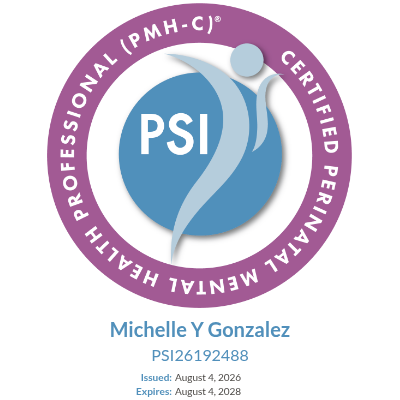
Specialized services — including PMAD-specific therapy, psychiatric consultation for medication during pregnancy/breastfeeding, and postpartum support groups — address the unique needs of pregnant and postpartum women.  (We are certified by the Perinatal Support International)  

4. Psychiatric/medication management
Collaborative care with a psychiatrist or psychiatric nurse practitioner is often necessary for moderate-to-severe depression, anxiety, or perinatal mood disorders, particularly when therapy alone isn't sufficient.

5. Support groups and peer/community-based support
Group therapy, peer support programs (e.g., for postpartum depression, domestic violence survivors, or grief), and community mental health resources reduce isolation and provide validation, which is especially valuable given how often caregiving roles limit women's access to individual care.

At New Frontiers Behavioral Health we are offer the above services AND more to promote your well-being:  Contact Us (401) 601-8995

Cognitive Behavioral Therapy

Practical, Compassionate Therapy for Lasting Change

If you find yourself caught in patterns of thinking, feeling, or behaving that are difficult to change, Cognitive Behavioral Therapy (CBT) may be able to help. CBT is a structured, evidence-based form of psychotherapy that focuses on the connection between your thoughts, feelings, behaviors, and experiences.

At our therapy practice in Providence, Rhode Island, we use CBT to help you better understand the patterns that may be keeping you stuck—and develop practical tools to create meaningful change. We also provide online therapy for clients throughout Rhode Island, Massachusetts, and Nevada, making it possible to receive compassionate, individualized care from the comfort of home.

How Does CBT Work?

CBT is based on the understanding that the way we interpret an experience can influence how we feel and how we respond. When certain thoughts or beliefs become automatic, they can contribute to anxiety, depression, avoidance, anger, or other patterns that interfere with everyday life.

In CBT, you and your therapist work together to identify these patterns with curiosity rather than judgment. You learn to examine unhelpful thoughts and beliefs, consider alternative perspectives, and practice new ways of responding.

The goal isn't to simply “think positively.” Instead, CBT helps you develop a more balanced and realistic way of understanding yourself and the situations you face.

What Can CBT Help With?Cognitive Behavioral Therapy Infographic

CBT can be helpful for many emotional, behavioral, and psychological concerns, including:

  • Anxiety and excessive worry
  • Depression
  • Panic attacks
  • Phobias and fears
  • Obsessive-compulsive disorder (OCD)
  • Post-traumatic stress disorder (PTSD)
  • Substance use and addiction
  • Persistent or chronic pain
  • Disordered eating
  • Sexual concerns
  • Anger and emotional regulation
  • Stress and difficulties coping with life changes

If you recognize yourself in any of these concerns, you don't have to figure everything out on your own. CBT provides a collaborative framework for understanding what you're experiencing and identifying steps that can help.

What Happens in CBT Therapy?

CBT is more than simply talking about whatever comes to mind during a therapy session. Sessions are generally structured around your individual goals and the concerns you want to address. Together, you and your therapist identify what you would like to change and develop strategies that you can practice both during and between sessions.

Depending on your needs, CBT techniques may include:

  • Identifying and challenging unhelpful thoughts and beliefs
  • Learning relaxation and stress-management skills
  • Practicing mindfulness and greater awareness of emotions
  • Developing healthier behavioral patterns
  • Building effective coping and problem-solving skills
  • Using behavioral and thinking exercises to practice new responses

This process is sometimes called cognitive restructuring. Rather than trying to eliminate difficult thoughts or emotions, you learn to respond to them differently.

A Collaborative Approach to Therapy

CBT is often considered a relatively short-term, goal-oriented approach, but the length of therapy depends on you and your individual needs. Your treatment should fit your goals, circumstances, and pace.

Our approach is compassionate, collaborative, and practical. You don't need to have everything figured out before beginning therapy. Whether you're struggling with anxiety, depression, addiction, trauma, or another concern, we can work together to understand what is happening and identify tools that can help you move forward.

If you're looking for CBT therapy in Providence, RI, or online CBT therapy in Rhode Island, Massachusetts, or Nevada, we invite you to reach out and learn more about how therapy can support you.

CONTACT US

Addiction Counseling

Addiction Counseling

compassionate care real change

What is addiction? How can therapy help?

Addiction is a complex, treatable condition that can affect a person’s thoughts, emotions, relationships, health, and daily life. It is not a lack of willpower or a character flaw. Addiction may involve alcohol, prescription medications, illicit substances, or other behaviors that become difficult to control despite unwanted or harmful consequences.

Addiction can also change the way the brain functions. Repeated substance use can affect the brain’s reward, motivation, learning, decision-making, and self-control systems. Over time, these changes can contribute to cravings and make it difficult to stop using a substance, even when someone sincerely wants to change. Understanding addiction as a health condition can help reduce shame and create a more compassionate path toward recovery. (National Institute on Drug Abuse)

Compassionate, Individualized Addiction Treatment

At our therapy practice in Providence Rhode Island, we understand that reaching out for help with addiction can feel difficult. Our goal is to provide a safe, supportive, and judgment-free environment where you can talk honestly about what you are experiencing and begin working toward meaningful change.

Treatment begins with getting to know you—not simply your addiction. We take time to understand your history, current concerns, relationships, mental health, substance use, strengths, and personal goals. Together, we identify realistic treatment goals and develop an individualized plan. When appropriate, we may coordinate care with your primary care physician or other healthcare professionals.

CBT for Addiction

Cognitive Behavioral Therapy (CBT) is one approach we may use in addiction counseling. CBT helps you understand the connection between thoughts, emotions, behaviors, and substance use. In therapy, you can learn to recognize triggers, identify patterns that may contribute to addictive behaviors, manage cravings, develop healthier coping skills, and make choices that support long-term recovery. CBT is an evidence-based treatment used for substance use disorders. (National Institute on Drug Abuse)

Supporting Both Clients and Families

Addiction affects more than the person struggling with substance use—it can affect spouses, partners, parents, children, and other loved ones.

We offer compassion not only for our clients, but also for their families.

Family members may experience worry, frustration, anger, sadness, guilt, or uncertainty about how to help. These feelings are understandable. When appropriate, we can provide education, support, and guidance to help families better understand addiction, establish healthy boundaries, improve communication, and support recovery while also taking care of themselves. (Substance Abuse and Mental Health Services Administration)

We also recognize that addiction frequently occurs alongside other concerns, including anxiety, depression, trauma, stress, or relationship difficulties. Identifying and addressing these co-occurring concerns can be an important part of recovery and overall well-being.

Every person is different, so addiction treatment is never one-size-fits-all. The type, frequency, and duration of therapy depend on the individual and the nature and severity of the addiction. If additional support or a higher level of care would be beneficial, we will discuss those options with you and provide appropriate referrals.

You do not have to navigate addiction alone. 

Whether you are seeking help for yourself or looking for support for someone you love, compassionate addiction counseling can be an important first step toward healing, healthier relationships, and lasting recovery.

Connect with us today for more information:  Contact

Subcategories

Information

Book an appointment on our CLIENT PORTAL

Need more information:  CONTACT US


Blog

  • College and Graduate Student Mental Health 04 October 2026
  • Women's Health, Mind and Well-being 23 September 2026
  • Workplace Wellness That Works in the Real World 30 August 2024

Company

  • About
  • Services
  • Sitemap

Photos

480hope
480hope
480hope Waiting Room 2
Office 2026 2
Office 2026 2
Wellness Wheel
Wellness Wheel
Sunset In The Mountains K8 1920x1080
Waves Of Sand
Waves Of Sand
Nfbh Linkedin Watercolor Mountain Banner
Sand
Sand
Team
WomenTogether

PsychologyToday

© 2023-2026 New Frontiers Behavioral Health. Designed By webGóbé
Sign In
  • Home
  • About
  • Appointments
  • Services
    • Overview
    • Therapies
      • Cognitive Behavioral Therapy
    • Rates & Insurance
    • Workplace Well-being
    • Wellness Coaching
  • Specialities
    • Our focus
    • Students
    • Women's Health
    • Addiction Counseling
  • Policies
    • Summary
    • Resources
  • Soul At Work
  • Contact
  • 401- 601-8995
  • michelle@newfrontiersBH.com